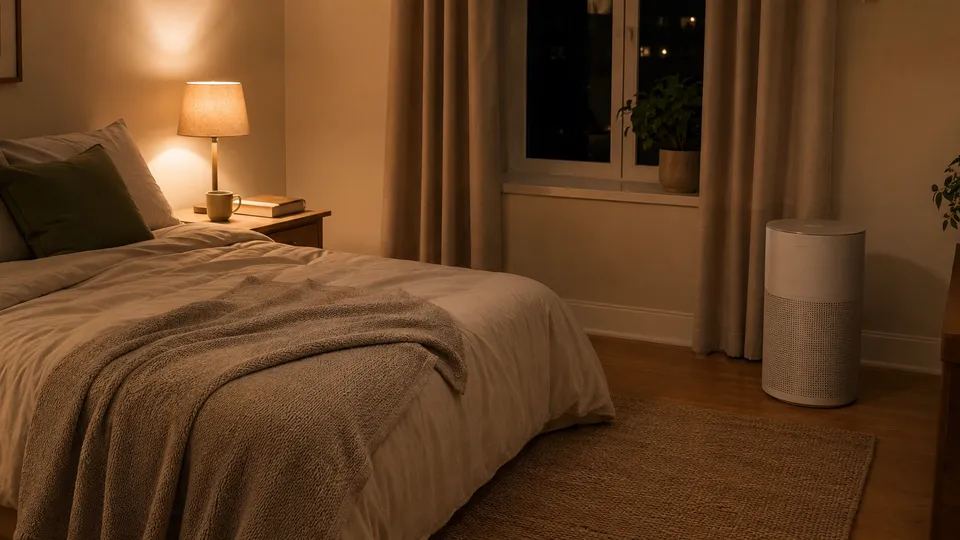
A quiet bedroom is easy to take for granted until you do not have one. Maybe your apartment faces a busy street. Maybe your upstairs neighbor walks around late. Maybe hallway doors slam, your partner’s alarm goes off early, or your roommate decides midnight is the perfect time to unload the dishwasher.
Earplugs can help make those sounds less disruptive, but choosing the right kind matters. Foam and silicone earplugs both reduce noise, but they feel different, fit differently, and suit different sleep habits.
For most people, the choice comes down to this: foam is usually better for stronger noise reduction, while silicone is often better for comfort. The better option is not always the one with the highest noise rating. For sleep, it is the one you can wear comfortably and consistently.
Quick Answer
Choose foam earplugs if your main problem is louder noise, such as traffic, hallway doors, upstairs footsteps, or a noisy roommate. Foam usually gives stronger sound reduction when it fits well.
Choose silicone earplugs if your main problem is comfort. Silicone may be a better fit if you sleep on your side, dislike deep in-ear pressure, or find foam earplugs too tight.
For a first-time buyer, foam is a practical starting point if noise is the top issue. Silicone is a practical starting point if comfort is the top issue.
Earplugs reduce sound, but they do not make a room completely silent. They also should not be treated as a fix for insomnia, anxiety, sleep disorders, or any health condition. Think of them as one simple bedroom tool that may help soften your sleep environment.
Foam vs. Silicone Earplugs at a Glance
| Sleep factor | Foam earplugs | Silicone earplugs |
|---|---|---|
| Best for | Louder or sharper noise | Comfort and moldable fit |
| Common sleep use | Traffic, hallway noise, roommates, upstairs footsteps | Side sleeping, sensitive ears, moderate background noise |
| Fit style | Compressed, inserted, and expanded inside the ear canal | Molded near the ear opening or inserted as a reusable pre-shaped plug |
| Pillow pressure | Can bother side sleepers if the plug sticks out | Often better if low-profile or moldable |
| Learning curve | Takes practice to insert correctly | Often easier for people who dislike deep insertion |
| Reusability | Usually disposable | Often reusable, depending on type |
| Maintenance | Replace regularly | Clean and store properly |
| Main drawback | Can feel too deep or pressurized | May not reduce as much noise as well-fitted foam |
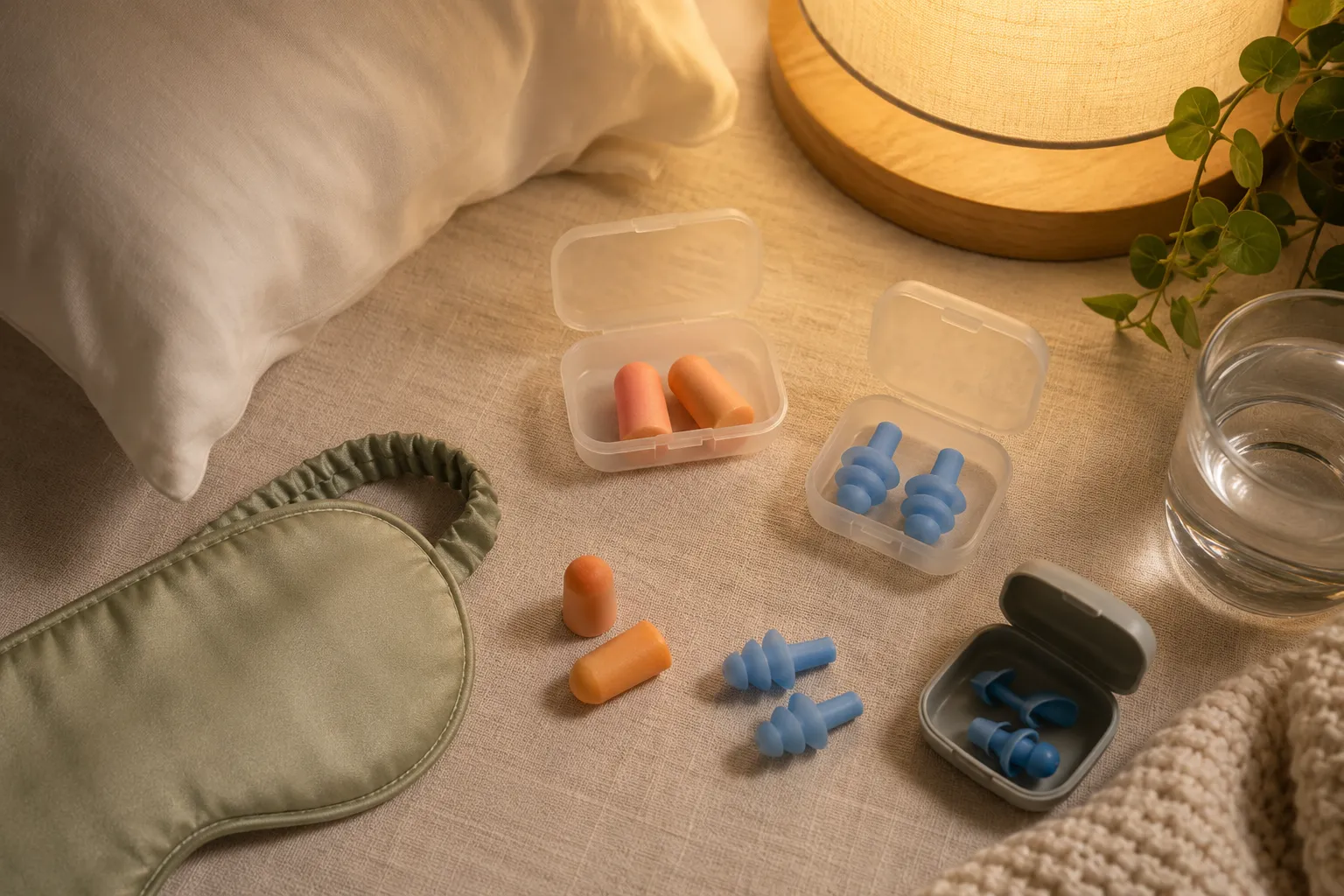
The simple comparison is helpful, but it does not tell the whole story. A foam earplug that does not seal well may not help much. A silicone earplug that feels comfortable enough to stay in all night may be the better real-life choice, even if it does not block quite as much sound.
What Foam Earplugs Are Like for Sleep
Foam earplugs are soft plugs that compress between your fingers. After you place them in your ear, they expand to create a seal.
Why foam can work well
That seal is the reason foam can work well for sleep. If you live near a busy road, hear elevator traffic in the hallway, or wake up when the upstairs unit gets active, foam is often the first type worth trying.
Foam also makes sense for occasional use. You might keep a small pack in a nightstand, travel bag, or guest room. If your home is usually quiet but gets noisy on weekends, during construction, or when visitors stay over, disposable foam can be convenient.
Where foam can fall short
The tradeoff is feel. Some people do not like the way foam expands inside the ear canal. It can feel too full, too deep, or too tight. Side sleepers may also notice pressure when the pillow pushes against the earplug.
Fit matters. If foam earplugs hurt, loosen, fall out, or make you keep adjusting them, they are not working well for your routine.
What Silicone Earplugs Are Like for Sleep
Silicone earplugs come in two common styles.
Moldable silicone earplugs are soft pieces of silicone that you shape with your fingers. They usually sit over or near the ear opening rather than deep inside the ear canal.
Reusable silicone earplugs are pre-shaped plugs that often look like tiny Christmas trees, with flexible ridges called flanges, or a small stem that makes them easier to remove.
Why silicone can work well
Silicone can be a better choice if foam feels too intrusive. Many sleepers choose silicone because it feels softer, flatter, or less pressurized. That can matter a lot if you sleep on your side with one ear against the pillow.
Silicone can also be useful for moderate household noise. If you are not trying to block a loud street but want to soften smaller sounds — a partner getting up early, a pet moving around, a refrigerator hum, or a roommate closing cabinets — silicone may be enough.
Where silicone can fall short
The downside is that silicone may not reduce as much sound as well-fitted foam. Moldable silicone can also feel sticky or warm to some users, and reusable styles need cleaning. If you want the simplest possible routine, disposable foam may feel easier.
Which Type Blocks More Noise?
Foam usually has the advantage when noise reduction is the main goal. A properly fitted foam earplug can create a strong seal inside the ear canal, which helps reduce louder nighttime sounds.
That said, do not choose based only on the highest number on the package. Many earplugs list a Noise Reduction Rating, or NRR. That rating is based on controlled conditions, not your exact bedroom, pillow, ear shape, or sleep position.
In real life, the seal matters. If a foam earplug is inserted too shallowly, it may let sound leak in. If it is uncomfortable, you may loosen it without noticing. If it sticks out too far, your pillow may push it out of place.
For loud apartment noise, start with foam. For moderate background noise and comfort-sensitive sleep, silicone may be the more realistic choice.
Which Type Is More Comfortable?
Comfort is where silicone often wins, especially for side sleepers.
Foam can be comfortable when the size is right and the plug is inserted gently. Some people wear foam without noticing it much after a few minutes. Back sleepers may do especially well with foam because there is less direct pillow pressure on the ear.
But if foam makes your ear feel packed, sore, or irritated, switching materials may help. Moldable silicone does not usually create the same expanding sensation. Low-profile silicone styles may also sit flatter against the ear, which can feel better when your ear is pressed into the pillow.
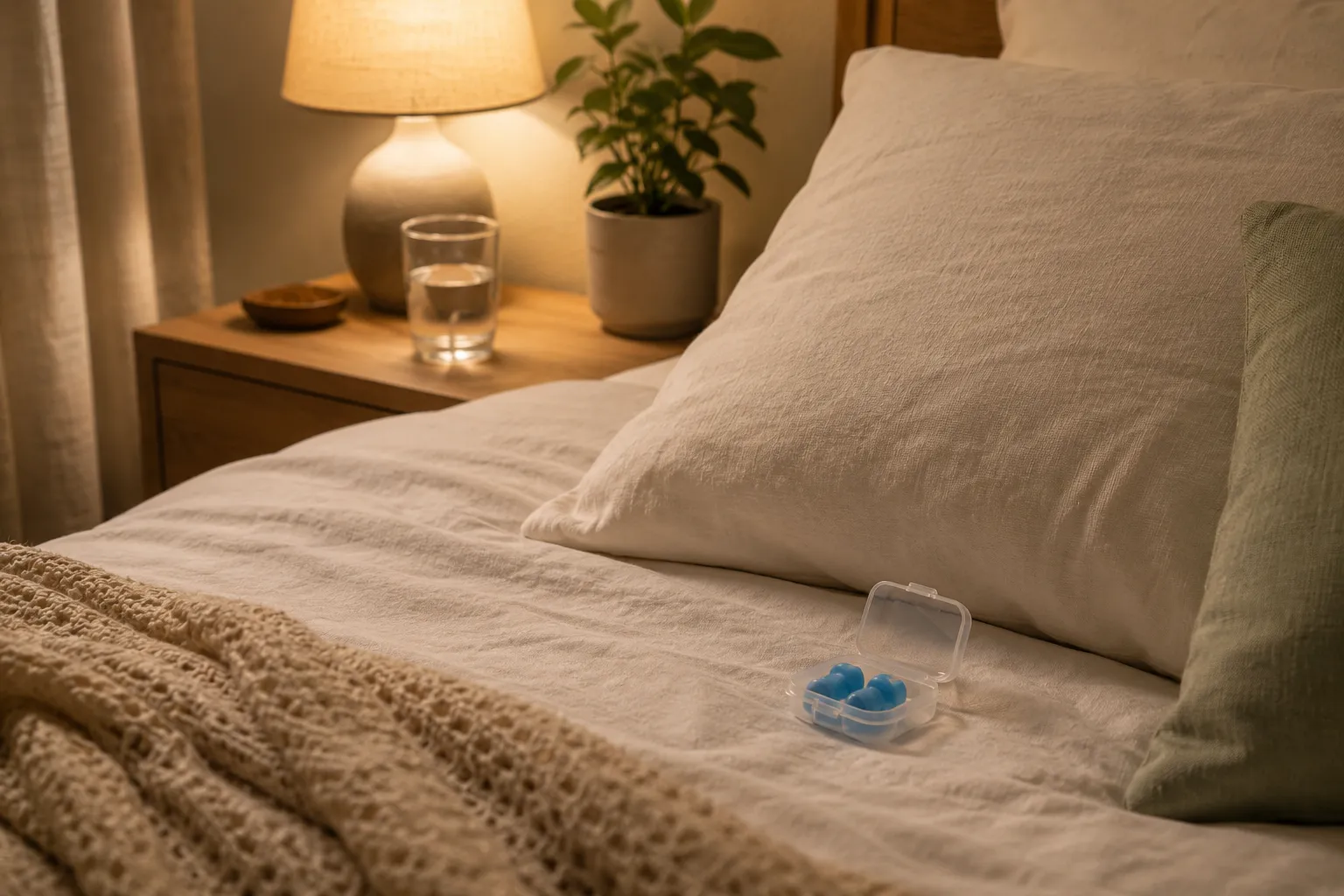
A useful rule: for sleep, comfort is not a luxury feature. If an earplug reduces noise but keeps you aware of your ear all night, it is not the right sleep solution.
Which Is Better for Apartment Living?
Apartment noise is rarely one steady sound. It often comes in bursts: a neighbor’s door, footsteps above you, water pipes, a dog barking, a delivery truck, or someone talking in the hallway.
For louder apartment noise
Foam is usually better for sudden, sharper noises. It is a good first choice if your bedroom faces the street or shares a wall with a living room, stairwell, elevator, or neighbor’s kitchen.
For moderate background noise
Silicone is often better for softening a room that is only moderately noisy. If you hear light movement, distant traffic, or a partner’s early routine, silicone may make the room feel calmer without feeling as sealed off.
For small bedrooms and rentals
In small bedrooms, also look at your layout. Earplugs can help, but a few home changes can make them work better:
- Move the bed away from a shared wall if possible.
- Add a rug near the bed to soften sound.
- Use thicker curtains if the window faces traffic.
- Place a draft stopper under the bedroom door.
- Run a fan or white-noise machine at a comfortable volume.
- Keep earplugs in a clean case on your nightstand so they are easy to find.
These changes will not turn an apartment into a soundproof room, but they can make nighttime noise feel less sharp.
Which Is Easier for Beginners?
For beginners, the main difference is technique.
Foam takes a little more practice. You usually need to roll the plug into a narrow shape, insert it gently, and give it time to expand. If it sits too shallowly, it may not reduce much sound.
Moldable silicone can feel more intuitive. Instead of placing a compressed plug inside the ear canal, you shape the material and press it near the ear opening to create a seal. Reusable silicone plugs are usually more straightforward once you learn the angle that fits your ear.
A good first-night test is simple: put the earplugs in before you are exhausted, lie on your usual side, and check whether they still feel comfortable after a few minutes on the pillow. If you immediately notice pressure, itching, or the urge to adjust them, try a different size, shape, or material.
Do not force either type. Earplugs should feel secure, not painful.
Cleaning, Replacement, and Storage
Earplugs go near or inside your ears, so a clean routine matters.
Foam earplug routine
Disposable foam earplugs should be replaced regularly. If they look dirty, feel stiff, lose their shape, or stop expanding properly, throw them away. Do not leave loose foam plugs on a dusty nightstand or in a bathroom drawer.
Silicone earplug routine
Reusable silicone earplugs should be cleaned according to the manufacturer’s instructions and dried fully before storage. Keep them in a case, not loose in a pocket, bag, or bedside tray.
A practical nightstand setup is simple: one clean case, one backup pair, and a consistent place to put them in the morning. That small habit helps keep earplugs from becoming another clutter item.
A Few Comfort and Awareness Notes
Use clean hands before handling earplugs. Remove them if they cause pain, irritation, unusual pressure, drainage, or ongoing discomfort. If you have frequent earwax problems, recurring ear discomfort, hearing concerns, or a history of ear procedures, ask a qualified healthcare professional before making earplugs part of your nightly routine.
Also make sure you can still respond to important sounds. Test your alarm while wearing earplugs. Think about phone alerts, children, pets, smoke alarms, or anything else you need to hear overnight.
The goal is not to block out the world completely. The goal is to reduce unnecessary noise while keeping your sleep setup practical and safe for your home.
Foam vs. Silicone: Which Should You Choose?
Use foam when noise is the bigger problem. It is the more practical first choice for a street-facing bedroom, loud hallway, upstairs footsteps, or a roommate who keeps a different schedule.
Use silicone when comfort is the bigger problem. It is often easier to tolerate if you sleep on your side, dislike deep insertion, or find foam too tight.
Skip earplugs or try another approach if they make your ears hurt, keep falling out, or make you feel too cut off from sounds you need to hear. In that case, a fan, white-noise machine, thicker curtains, a rug, or moving the bed away from a shared wall may be the better first move.
For the wider fit, shape, and side-sleeping decision, see how to choose earplugs for sleeping in a noisy bedroom.
Final Thoughts
Foam and silicone earplugs are both useful, but they are useful in different ways.
Foam is usually the stronger choice for noise reduction. Silicone is often the easier choice for comfort. For light sleepers, apartment dwellers, and first-time earplug buyers, the best answer depends less on the material itself and more on what happens at bedtime.
Do the earplugs stay in place? Do they feel comfortable against your pillow? Can you still hear important alerts? Do they fit your cleaning or replacement routine?
Start with the problem you are actually trying to solve. If the room is loud, begin with foam. If your ears are sensitive, begin with silicone. If neither feels right, adjust the room first. A calmer bedroom is usually built from small choices, not one perfect product.
FAQ
Are foam or silicone earplugs better for sleep?
Foam is usually better for stronger noise reduction. Silicone is often better for comfort, especially for side sleepers or people who dislike deep in-ear pressure.
Do foam earplugs block more noise than silicone earplugs?
Often, yes, when they fit correctly. Foam can create a strong in-ear seal. But fit matters more than material alone, so a poorly fitted foam plug may not work well.
Are silicone earplugs better for side sleepers?
They can be. Moldable or low-profile silicone earplugs may create less pillow pressure than foam plugs that stick out.
Why do foam earplugs hurt my ears?
They may be too large, inserted too deeply, or expanding with more pressure than feels comfortable. Remove them if they hurt and try a different size, shape, or material.
Can you wear earplugs every night?
Some people use earplugs regularly, but hygiene and comfort matter. Keep them clean, replace disposable plugs, and stop using them if they cause discomfort.
Will I still hear my alarm with earplugs in?
Maybe. Test your alarm before relying on earplugs overnight. Make sure you can still respond to important sounds in your home.
Are earplugs good for apartment noise?
They can help reduce common apartment sounds like traffic, hallway noise, footsteps, and roommate movement. They work best when paired with simple room changes like rugs, curtains, or a fan.
Should earplugs go deep into your ear?
Foam earplugs usually need to sit securely enough to seal, but they should not be forced. Moldable silicone usually sits closer to the ear opening. Follow the product directions and remove them if they feel painful.
How do you keep reusable silicone earplugs clean?
Follow the manufacturer’s cleaning instructions, let them dry fully, and store them in a case. Do not leave them loose on a dusty nightstand or in a bag.
What if neither foam nor silicone feels comfortable?
Try changing size, shape, or style. You can also focus on non-earplug options, such as a fan, white-noise machine, thicker curtains, or moving the bed away from a shared wall.