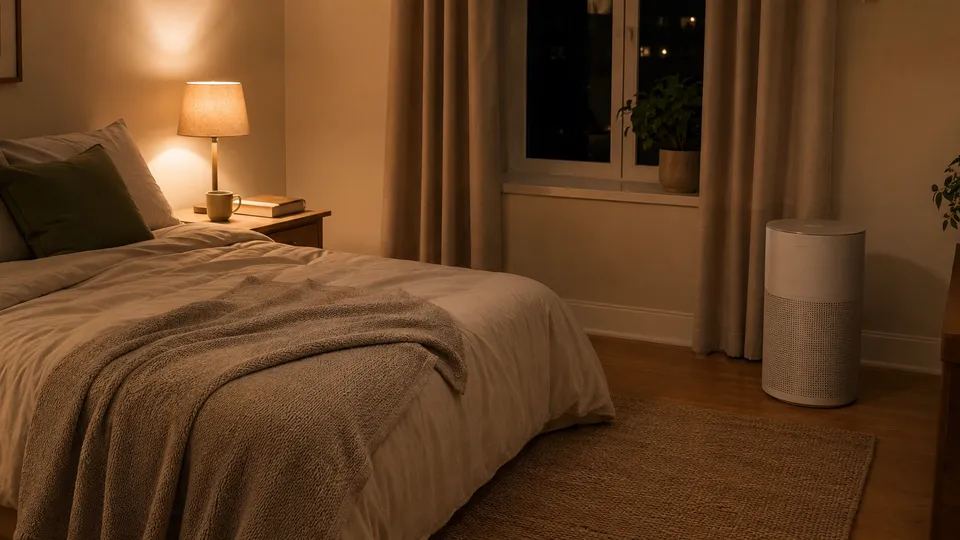
A noisy bedroom is especially frustrating when you cannot control the noise. You can ask a roommate to be quieter, but you cannot stop every hallway door from slamming. You can close the window, but traffic may still come through the glass. You can move your bed, but you may still share a wall with a neighbor’s TV.
That is why earplugs are such a practical tool for renters, apartment dwellers, and light sleepers. They are small, easy to keep beside the bed, and do not require drilling into walls, replacing windows, or asking your landlord for permission.
The best sleeping earplugs are not always the ones with the highest noise-reduction number. For real bedrooms, the better question is: can you wear them comfortably, do they stay in place, and do they reduce the specific sounds that bother you most?
Quick Answer
Choose soft foam earplugs if your main problem is louder noise, such as traffic, snoring, late-night neighbors, or weekend street noise. Foam can reduce a lot of sound when it fits correctly, but it may feel too tight for some people.
Choose moldable silicone or wax earplugs if you sleep on your side or dislike the feeling of earplugs going deep into your ears. These usually sit closer to the ear opening and can feel softer against a pillow.
Choose low-profile reusable earplugs if you use earplugs most nights and want something washable. Just make sure the shape is comfortable for bed, not only for daytime use.
Consider custom-molded earplugs if standard earplugs never fit well and you rely on them regularly. They are usually a later step, not the first thing most people need to try.
For most beginners, start with comfort and fit first. A pair that feels fine for ten minutes while standing up may feel very different after two hours on your side.
Match the Earplugs to the Noise in Your Bedroom
Before choosing a material, think about what is actually waking you up or keeping you alert.
Street Noise and Traffic
If your bedroom faces a busy road, the noise may come in waves: engines, sirens, motorcycles, delivery trucks, car doors, or people talking outside. Foam earplugs are often a reasonable first option because they can create a stronger seal when inserted correctly.
That said, earplugs may not erase every low rumble. If traffic is inconsistent, pairing earplugs with a steady fan or white noise machine can make sudden sounds feel less noticeable.
For example, if buses pass your window every 20 minutes, earplugs may soften the peaks, while a fan helps fill in the quiet gaps between them.
Roommates and Shared Homes
Roommate noise is usually less about volume and more about timing. Cabinets, microwaves, showers, footsteps, gaming, or late-night calls can feel loud when the rest of the room is quiet.
For this type of noise, comfort matters more than maximum blocking. If you know your roommate usually comes home after midnight, put earplugs in before you are irritated and fully awake. Keep them in the same spot every night so they become part of the routine, not a last-minute search.
Neighbors, Shared Walls, and Hallways
Apartment noise often travels through surfaces: walls, floors, ceilings, and door gaps. You might hear a TV through the wall, footsteps overhead, or hallway conversations under the door.
Earplugs can help reduce the sharpness of these sounds, but they work best when the room is not working against you. If a hallway door gap is the problem, a draft stopper may help. If the room feels echoey, a bedside rug or heavier curtains can soften the space without making permanent changes.
Partner or Pet Noise
If the noise comes from someone in your own home, you may not want the strongest earplugs possible. You might still need to hear an alarm, a pet, a child, a phone call, or a smoke alarm.
In this case, look for earplugs that reduce sound enough to make it less disruptive without making you feel completely cut off from your surroundings.
Understand NRR Without Choosing by NRR Alone
Many earplugs list an NRR, or noise reduction rating. In general, a higher NRR means the earplug has more potential to reduce sound when worn correctly.
But NRR is not a comfort rating. It does not tell you whether the plug will fit your ears, stay in place when you roll over, or feel good against a pillow.
A high-rated foam plug that is too large may create pressure. A reusable plug with a firm stem may be fine at a concert but annoying in bed. A moldable plug with a lower rating may be more useful if it is the one you can actually wear through the night.
Use NRR as one part of the decision, not the whole decision. For sleeping, fit and comfort are just as important.
Compare the Main Types of Sleeping Earplugs
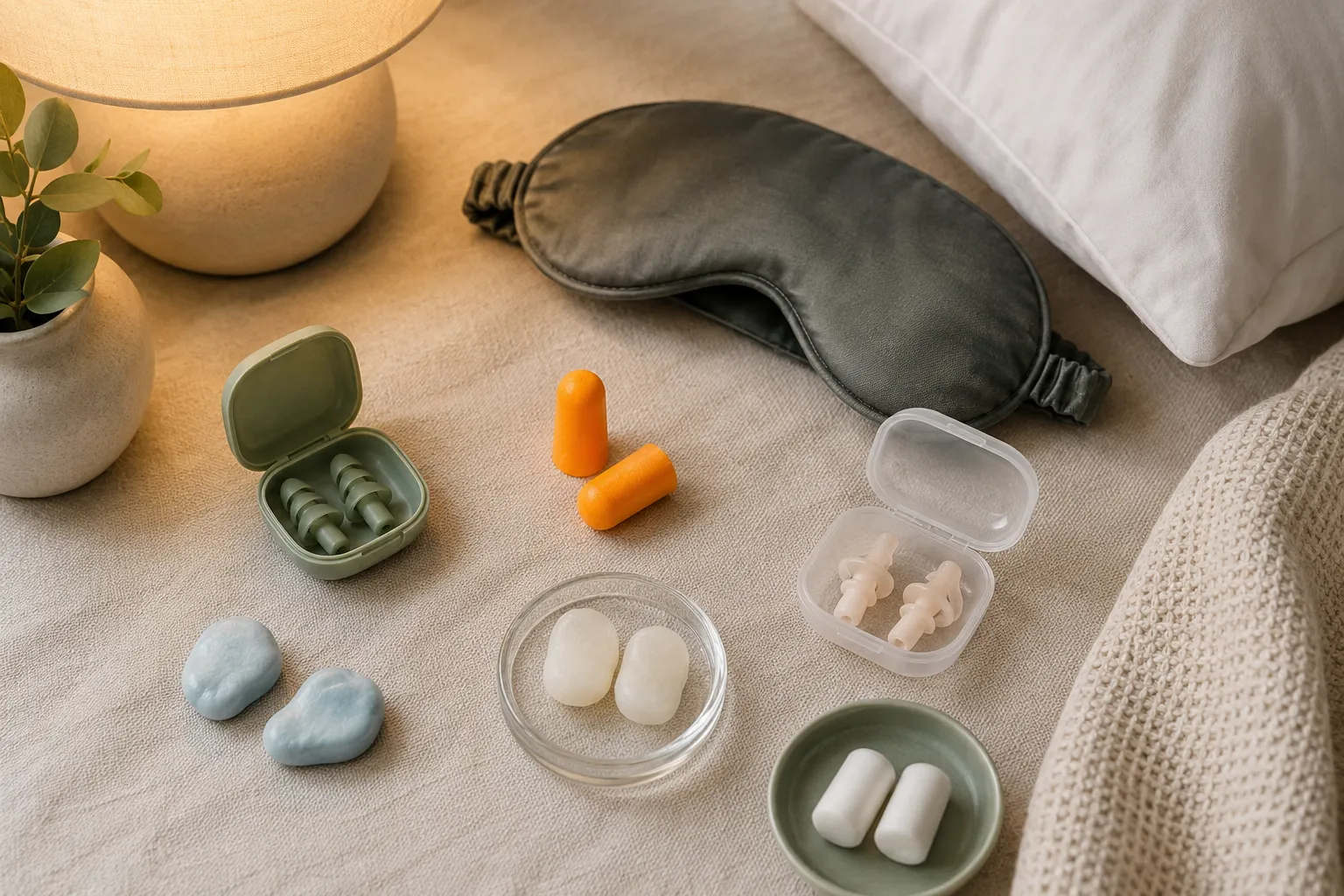
Foam Earplugs
Foam earplugs are the common starting point. They are useful for louder rooms, street noise, travel, snoring, and occasional noisy nights. They are also easy to keep in a nightstand or travel bag.
The fit technique matters. Roll the foam into a tight, narrow cylinder. Reach over your head with the opposite hand and gently pull the top of your ear up and back to help straighten the ear canal. Then insert the plug gently and hold it in place with your fingertip for about 20 to 30 seconds while it expands and forms a seal.
The main downside is pressure. Some foam plugs expand firmly, which can bother people with smaller or sensitive ears. If foam always feels too tight, try a smaller size, softer foam, or a different material.
Moldable Silicone Earplugs
Moldable silicone earplugs are shaped over the ear opening instead of pushed deeply inside. That can make them more comfortable for people who dislike the feeling of foam expanding in the ear canal.
They can work well for side sleepers because they often sit flatter. They are also a good option for moderate apartment noise, such as hallway sounds or a roommate moving around.
The seal depends on how well they are molded. If they loosen when you turn your head, they may not be the right shape for your ears.
Wax Earplugs
Wax earplugs are soft, moldable, and often comfortable for sleep. They can be a good fit for side sleepers because they do not usually have a hard stem or bulky outer piece.
Some people like the soft, custom-feeling seal. Others dislike the texture because wax can feel warm or sticky. If clean handling matters a lot to you, silicone or reusable plugs may feel easier to manage.
Reusable Flanged Earplugs
Reusable flanged earplugs have ridges that help create a seal. They can be convenient if you use earplugs often and want something washable.
For sleeping, be careful with the shape. Some flanged earplugs stick out too far or have firm stems that press into the ear when you lie on your side. Look for soft, low-profile versions if you plan to wear them in bed.
Custom-Molded Earplugs
Custom-molded earplugs are shaped for your ears. They may be worth considering if you use earplugs regularly and cannot get standard foam, silicone, wax, or reusable options to fit comfortably.
They are not necessary for everyone. For most readers, it makes sense to try simpler options first.
Choose Based on How You Sleep
Side Sleepers
Side sleepers need to think about pillow pressure. An earplug can feel fine when you first put it in, then become uncomfortable once your ear is pressed into the pillow.
Look for low-profile shapes, soft materials, and designs that do not stick out. Moldable silicone, wax, and smaller foam plugs are often worth considering.
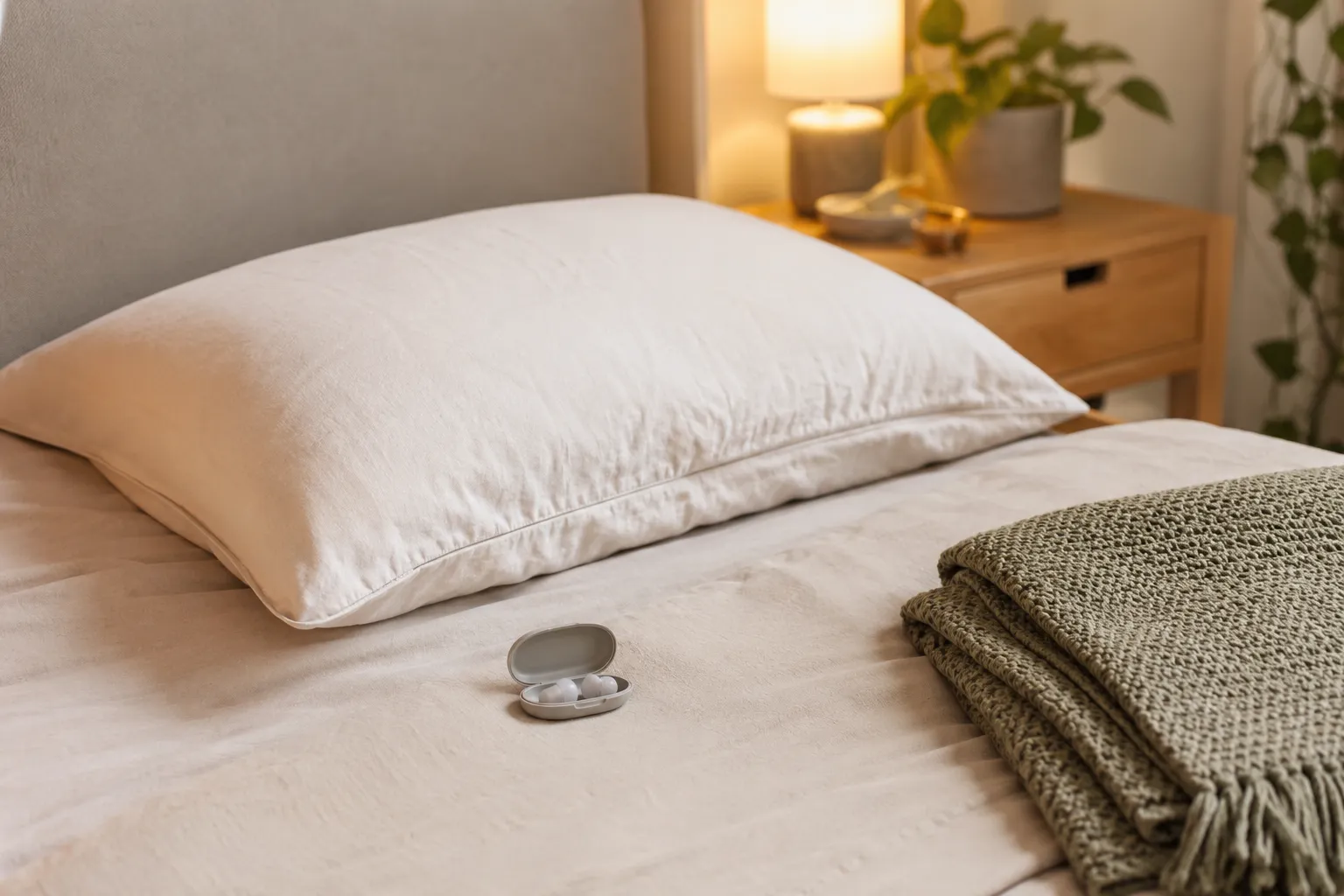
A useful test: put the earplugs in, lie on your usual side, and stay there for five minutes. If you already notice pressure, they probably will not feel better at 3 a.m.
Back Sleepers
Back sleepers have more flexibility because the ear is not pressed directly into the pillow. Foam, silicone, wax, and reusable styles can all work. Focus on whether the plug seals well and feels comfortable over time.
Combination Sleepers
If you roll around during the night, the earplugs need to stay sealed as you move. A plug that works only when you are perfectly still may not be useful. Try turning from side to side before bedtime to see if the seal breaks.
Fit Problems and What They Usually Mean
If earplugs hurt, they may be too large, too firm, or inserted too deeply. Do not force them. Try a smaller size, softer material, or moldable design.
If earplugs fall out, they may not be sealing correctly. Foam plugs need to be rolled tightly and held in place while they expand. Moldable silicone and wax need to be pressed smoothly around the ear opening.
If one ear feels different from the other, that is normal. Human ear canals are rarely identical. You may find that you need a smaller size or a lighter touch when inserting the plug into one specific ear.
If your ears feel sore in the morning, the shape may not match your sleeping position. Side sleepers, in particular, should avoid plugs that stick out or have hard edges.
What to Avoid for Sleeping
Do not buy only by the highest NRR. Stronger-looking earplugs are not automatically better for bed.
Avoid bulky designs if you sleep on your side. Anything that sticks out can press into the ear.
Avoid hard stems or rigid plugs made mainly for daytime noise, work, or events.
Be cautious with earbuds or noise-canceling earbuds overnight. They are not the same as simple sleeping earplugs, and they can add pressure or keep audio playing longer than you intended.
Do not reuse disposable foam plugs indefinitely. Replace them when they look dirty, lose shape, or stop expanding properly.
Make Earplugs Part of a Better Bedtime Setup
Earplugs work better when they are easy to use before you are already annoyed.
Keep them in a clean case near the bed. Add a spare pair to your nightstand, travel bag, or drawer. If you live in a studio or small apartment, store them somewhere you can reach without turning on bright lights.
Before bed, set your alarm first. Put in the earplugs. Turn on a fan or low background sound if you use one. Check that your phone or alarm clock is close enough to hear.
If earplugs alone feel restrictive, pair them with non-permanent room tweaks like a heavy door draft stopper, a bedside rug, or moving the bed slightly away from the noisiest shared wall. The goal is not to soundproof the room. It is to make the space feel less reactive to every sound.
Safety and Hygiene Tips
Test your alarm while wearing earplugs before depending on them overnight. If needed, consider a vibration alarm or smartwatch alarm as a backup.
Think about sounds you still need to hear, such as smoke alarms, children, pets, roommates, emergency calls, or a door knock.
Keep reusable earplugs clean and dry according to their instructions. Store them in a case instead of leaving them loose on a nightstand or bathroom counter.
Stop using earplugs that cause pain, itching, irritation, or a blocked feeling. If you have ongoing ear pain, frequent ear problems, recent ear surgery, or other ear-related concerns, ask a qualified healthcare professional before using earplugs regularly.
Simple Earplug Checklist Before You Buy
Ask yourself:
- What noise bothers me most: traffic, neighbors, roommates, snoring, hallway noise, or occasional loud nights?
- Do I sleep on my side, back, stomach, or move around?
- Do I want stronger blocking or softer comfort?
- Do I prefer foam, silicone, wax, reusable, or custom-fit options?
- Will the earplugs press into my pillow?
- Can I still hear important alerts?
- Are they easy to clean, replace, and store?
The right answer may be different for a city apartment, a shared house, a dorm-style room, or a bedroom facing a busy street.
FAQ
What type of earplugs are best for sleeping in an apartment?
For most apartment sleepers, foam is a good starting point for louder noise, while moldable silicone or wax may be better for comfort and side sleeping. If hallway noise or roommate noise is moderate, you may not need the strongest option.
Are foam or silicone earplugs better for sleeping?
Foam usually offers stronger noise reduction when it fits correctly. Silicone may feel more comfortable because it often sits closer to the ear opening. Choose foam for more blocking and silicone for a softer, less invasive feel.
What NRR should I choose for sleeping?
Use NRR as a guide, not the only deciding factor. A higher NRR may reduce more sound, but only if the earplug fits well and stays sealed. Comfort, size, material, and sleeping position matter just as much.
Why do earplugs hurt when I sleep on my side?
They may be too bulky, too firm, too large, or sticking out too far. Try a smaller foam plug, moldable silicone, wax, or another low-profile option.
How do I keep earplugs from falling out?
Make sure they are inserted or molded correctly. Foam needs to be rolled into a tight cylinder, inserted gently, and held while it expands. Moldable plugs need a smooth seal around the ear opening. If they still fall out, try another size or material.
Can I still hear my alarm with earplugs in?
Maybe, but you should test it first. Put in the earplugs, set your alarm, and make sure you can respond to it. A vibration alarm or smartwatch alarm can be useful as a backup.
Is it okay to use earplugs every night?
Some people use earplugs regularly, but comfort and hygiene matter. Keep reusable plugs clean, replace disposable plugs as needed, and stop using any pair that causes discomfort.
What if earplugs are not enough?
Try combining them with one or two renter-friendly changes, such as a fan, white noise machine, door draft stopper, or moving the bed away from the noisiest wall. Small changes can make the room feel calmer without requiring permanent soundproofing.
If you are choosing between the two common materials, compare foam vs. silicone earplugs for sleep.
Final Thoughts
Choosing earplugs for sleeping is not about blocking the world as much as possible. It is about finding the right balance: enough noise reduction to make your bedroom feel calmer, enough comfort to keep them in, and enough awareness to fit your home routine.
Start with the noise that bothers you most. Then choose the material and shape that match your ears and sleeping position. Test your alarm, keep the earplugs clean, and store a backup pair where you can actually find it.
A noisy bedroom may not become silent, but with the right earplugs and a few simple room adjustments, it can feel more manageable at night.